
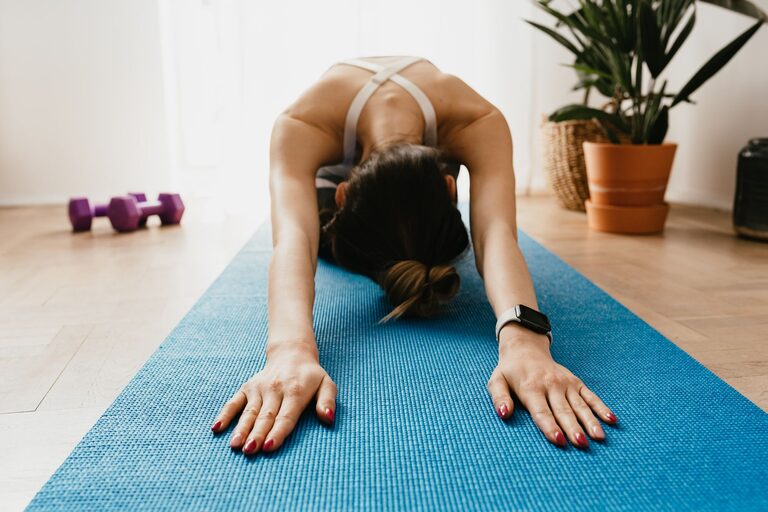
Stretching is an essential part of maintaining a healthy body, whether you’re an athlete, someone who sits at a desk all day, or just looking to improve overall well-being. The good news is that stretching doesn’t require special equipment or a gym membership—you can do it right at home. This beginner’s guide will walk you through the basics of stretching, its benefits, and some simple routines to get started safely and effectively.
Why Stretch at Home?
Stretching at home offers flexibility in scheduling and privacy, making it easier to develop a consistent routine. It helps improve your range of motion, reduces muscle stiffness, and can relieve stress after a long day. Plus, stretching can complement other forms of exercise by preparing muscles and joints, reducing the risk of injury.
The Benefits of Stretching
– Improves flexibility: Regular stretching helps muscles and joints move more freely.
– Enhances posture: Stretching tight muscles can help align your body and reduce slouching.
– Increases blood flow: Stretching boosts circulation, which aids muscle recovery.
– Reduces stress: Gentle stretching relaxes your body and mind.
– Prevents injuries: Stretching warms up muscles and prepares them for physical activity.
Important Tips Before You Start
– Warm up first: Stretching cold muscles can cause injury. Spend 5 minutes walking or doing light activity to get warm.
– Never stretch to pain: You should feel gentle tension, not sharp pain.
– Breathe deeply: Controlled breathing helps you relax and improves the stretch.
– Hold steady: Maintain each stretch for 15-30 seconds without bouncing.
– Be consistent: Aim to stretch at least 3 times a week for noticeable benefits.
Basic Stretching Routine for Beginners
Here’s a simple routine to stretch all major muscle groups. Perform this sequence in a calm space where you can move freely. Wear comfortable clothes and use a yoga mat or soft surface if possible.
1. Neck Stretch
– Sit or stand tall.
– Slowly tilt your head toward your right shoulder.
– Use your right hand to gently press your head down for a deeper stretch.
– Hold for 20 seconds, then switch sides.
2. Shoulder Stretch
– Bring your right arm across your chest.
– Use your left hand to gently pull your right arm closer to your chest.
– Keep shoulders relaxed and hold for 20 seconds.
– Repeat with the left arm.
3. Triceps Stretch
– Raise your right arm overhead.
– Bend your elbow to touch your upper back.
– Use your left hand to gently press your right elbow.
– Hold for 20 seconds and switch arms.
4. Chest Stretch
– Stand facing a wall or doorway.
– Place your palm on the wall slightly behind your body.
– Slowly turn your torso away until you feel a stretch in your chest.
– Hold for 20 seconds on each side.
5. Cat-Cow Stretch (Spine Mobility)
– Get down on your hands and knees.
– Arch your back up (Cat), tucking your chin to your chest.
– Then dip your back down (Cow), lifting your head and tailbone.
– Repeat for 5 cycles, moving with your breath.
6. Seated Forward Bend
– Sit on the floor with legs extended straight.
– Keep your back straight and slowly reach your hands toward your toes.
– Hold the stretch once you feel tension in your hamstrings.
– Keep knees slightly bent if needed and hold for 30 seconds.
7. Hip Flexor Stretch
– Kneel on your right knee, left foot in front with knee bent.
– Push hips forward gently until you feel a stretch in the front of your right hip.
– Hold for 30 seconds then switch sides.
8. Calf Stretch
– Stand facing a wall.
– Place hands on the wall and extend your right leg behind you with heel flat.
– Bend your left knee forward, keeping your right leg straight.
– Hold for 30 seconds and switch legs.
How to Stay Motivated
– Set a schedule: Pick a consistent time each day or week.
– Start small: Even 5-10 minutes is beneficial.
– Track progress: Notice improvements in flexibility or reduced tension.
– Mix it up: Try different stretches or gentle yoga.
– Make it enjoyable: Play calming music or stretch with a friend.
When to Avoid Stretching
Avoid stretching if you have an injury or severe pain without consulting a healthcare professional. Also, skip intense stretching if you feel dizzy or weak.
Conclusion
Stretching at home is an accessible and effective way to improve your physical and mental health. By following this beginner-friendly guide, you can create a simple routine that fits your lifestyle and enhances your daily comfort and mobility. Remember, consistency and gentle movements are key for long-term benefits. So roll out your mat, take a deep breath, and start stretching today!